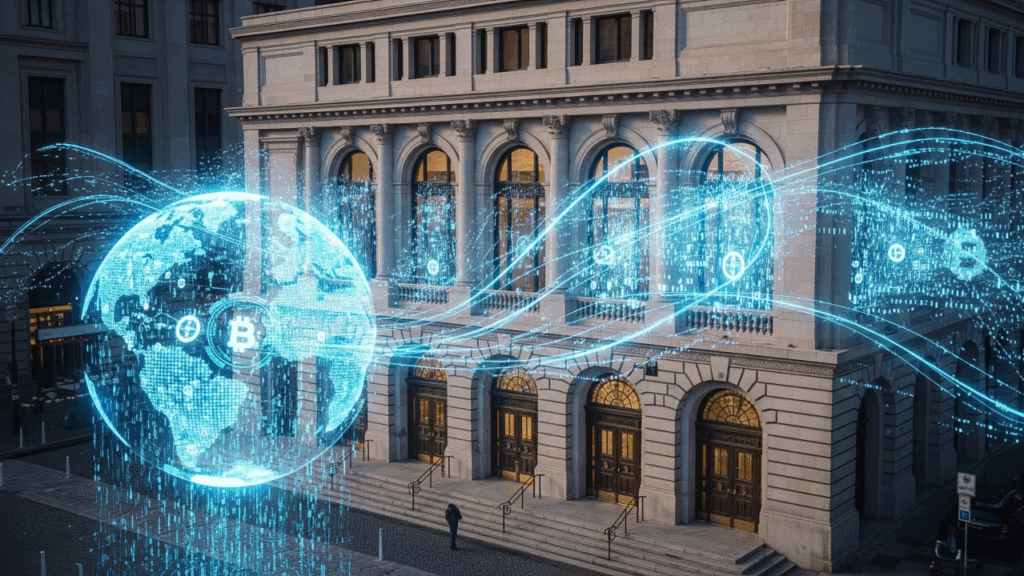
JPMorgan’s JPMD: A Deeper Dive into the “Why” Behind Wall Street’s New Digital Dollar
JPMorgan Chase’s recent unveiling of JPMD, its new deposit token, on Coinbase’s Base public blockchain is more than just a […]

JPMorgan Chase’s recent unveiling of JPMD, its new deposit token, on Coinbase’s Base public blockchain is more than just a […]
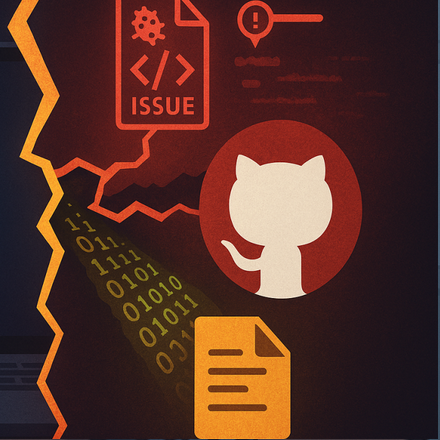
As AI coding assistants become indispensable—automating repetitive tasks, surfacing code suggestions, and even drafting entire functions—their seamless integration into our workflow can lull us into a false sense of safety. In this article, we’ll explore how a seemingly harmless issue on GitHub can trigger what security researchers call a “Toxic Agent Flow,” leading to the exfiltration of private data. We’ll then examine concrete steps you can take today to lock down your environment and evolve your security model for an AI-driven world.
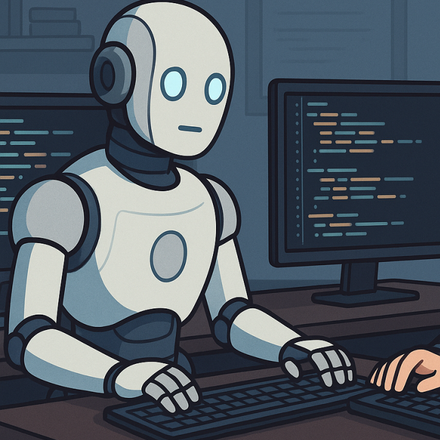
TLDR: OpenAI’s Codex marks the evolution from AI tools to AI coworkers—autonomous software agents that independently execute complete development tasks through secure environments and standard workflows. Unlike code assistants that merely suggest snippets, Codex comprehends entire codebases, works overnight on assigned tasks, and delivers tested pull requests—fundamentally redefining development teams as humans shift to higher-value creative work. This isn’t just another productivity enhancement; it’s a strategic inflection point that will separate organizations that embrace AI coworkers from those that merely use AI tools. This is a technical article but understanding the essence of what OpenAI Codex represents is of paramount important to navigate the AI tsunami.
The AI landscape is undergoing a revolution, moving beyond basic chatbots to sophisticated, context-aware assistants that can interact with the real world. At the heart of this transformation is a technology known as MCP (Model Context Protocol). Introduced in late 2024, MCP has rapidly become the “USB-C of AI integrations,” providing a standard way for large language models (LLMs) to connect to external data, tools, and workflows – we covered the introduction of MCP here.

The instant nostalgia this trend triggered was no accident. Studio Ghibli’s distinctive style is etched into our collective memory—its exquisite attention to detail, subdued color palettes, and characters brimming with soul. Yet, at the heart of Ghibli’s magic is not just its look, but its craftsmanship: the painstaking, often years-long hand-drawn animation process that imbues each frame with an ineffable sense of life.
And now, AI can mimic it — almost effortlessly.

As the Gen AI/LLM space continues to heat up, I decided to put several Large Language Models (LLMs) to the

What do Exploding Pagers and an emerging AI regulation like SB-1047 have in common? Our already asymmetric and exciting lives

As we marvel at the capabilities of advanced AI models like GPT-4, Llama3, and others, an underlying environmental cost often
The ongoing euphoria about AI’s increasing capabilities and its potential to make several jobs obsolete is not something we can
In a world where discussions swirl around the question of whether “To Agent or not to,” the topic continues to