
Programmable Money: How Banks Are Leading the Open Finance Revolution
As of July 2025, programmable money has evolved from experimentation to infrastructure. Embedded with smart contract logic and built on […]
As of July 2025, programmable money has evolved from experimentation to infrastructure. Embedded with smart contract logic and built on […]

It’s time to stop replacing systems—and start orchestrating intelligence across them. The Problem with “Rip-and-Replace” Thinking Healthcare systems have spent

The $14.8 Billion Acquihire: Why Meta Just Paid a Fortune for a Single Mind Let’s be honest. The news of

Apple’s AI efforts have been methodical rather than headline-grabbing. On one side, Apple Machine Learning Research publishes its work—from computer
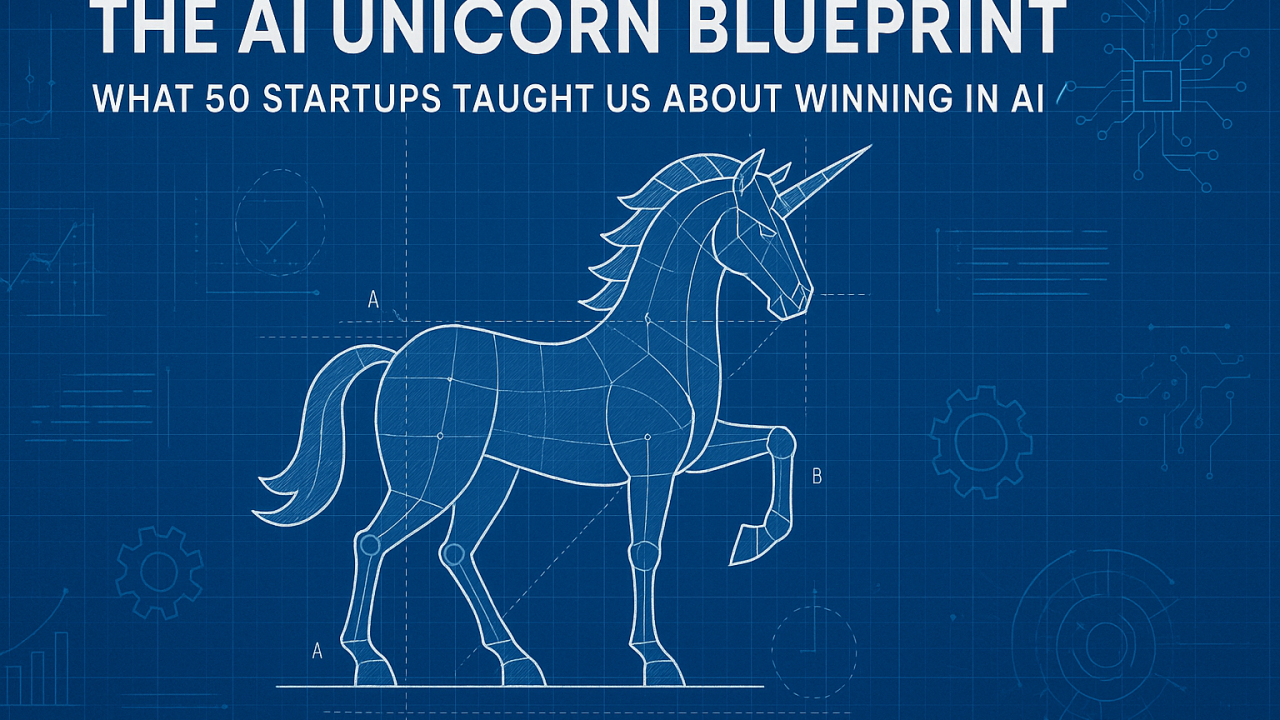
Inside the strategies, stories, and signals behind the fastest-growing AI companies on the planet. Introduction In just the past 24
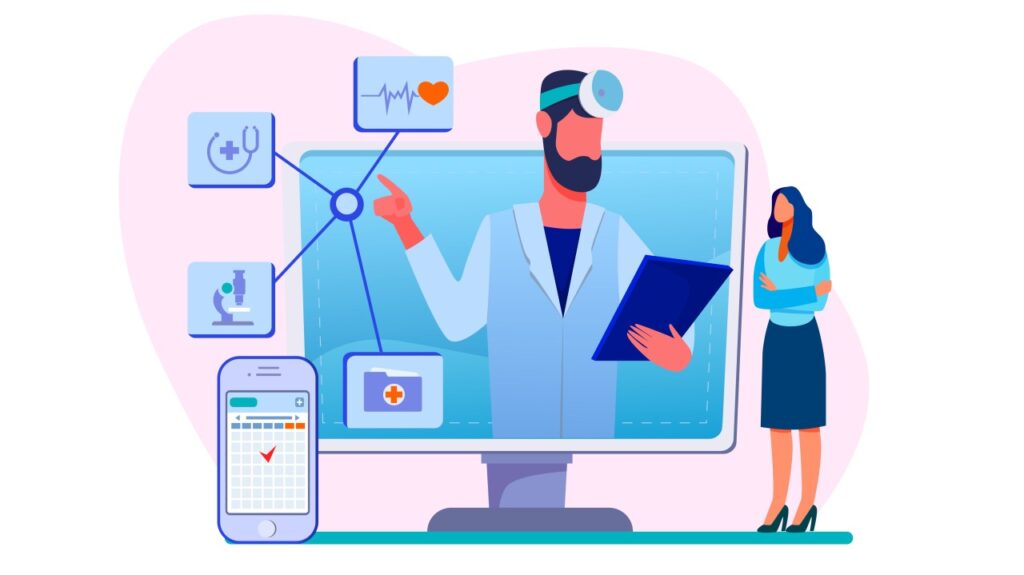
For over a decade, the healthcare industry has invested heavily in standards like HL7 and FHIR to try and break

The Challenge Before the recent surge in AI adoption, the U.S. healthcare system was projected to face a significant provider

The narrative around agentic AI is intensifying. Enterprises are eager to integrate autonomous capabilities, and vendors are racing to rebrand
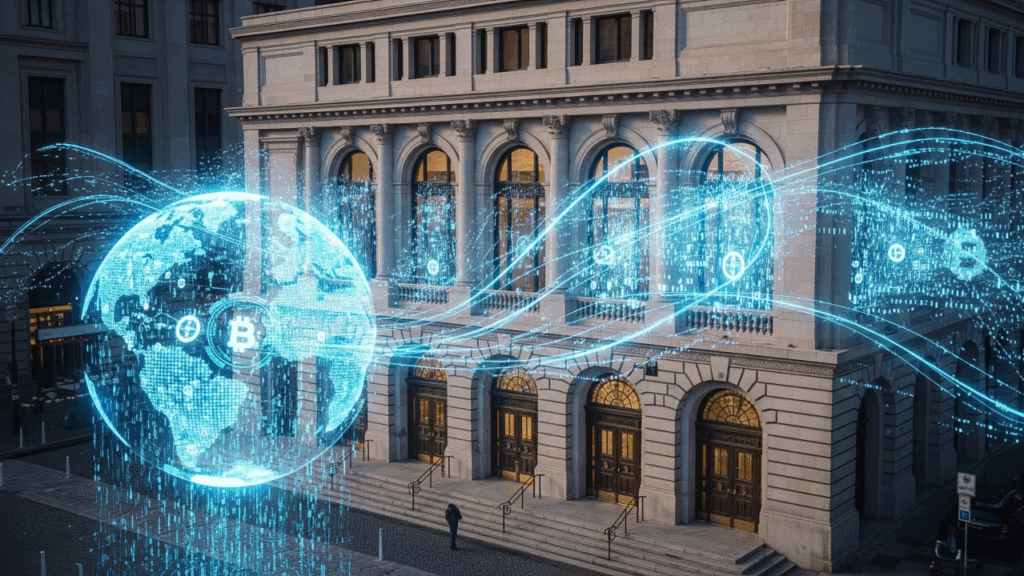
JPMorgan Chase’s recent unveiling of JPMD, its new deposit token, on Coinbase’s Base public blockchain is more than just a
As Artificial Intelligence (AI) adoption accelerates across industries, enterprises are under mounting pressure to innovate faster, without exposing themselves to new forms of cyber and regulatory risk. For highly regulated sectors like banking and healthcare, the stakes are especially high: fragmented infrastructure, evolving compliance demands, and vulnerable data pipelines can derail even the most promising digital initiatives.
To address these challenges, ConceptVines, an AI-first innovation and transformation platform, has partnered with Neovera, the trusted advisor providing full cybersecurity and cloud services to enterprises. Together, the companies are bridging innovation and cyber risk management, delivering secure, compliant, and scalable AI deployments for clients across banking, healthcare, and complex enterprise environments.